The College Marks the End of an Era: BA in Contemporary Disability Studies
For more than two decades, one programme quietly shaped disability services across Ireland by shaping the people who worked within them. Now, as the BA Contemporary Disability Studies reaches its conclusion, it does so with a legacy that stretches far beyond lecture rooms, workshops, or graduation ceremonies.
The programme’s final workshop takes place on May 16th, with the final graduation scheduled for November 2026. Across its lifetime, it evolved through several names and forms: the National Diploma in Applied Social Studies (Disability) (2001–2004), the BA in Applied Social Studies (Disability) (2004–2018), and the BA Professional Social Care (Disability) (2018–2021). While titles changed over the years, its core purpose remained constant — supporting frontline practitioners in disability services to learn, reflect, and lead change.
Its ending is not a reflection of failure or irrelevance. Quite the opposite. The programme consistently responded to the needs of the sector and pioneered accessible educational opportunities for people already working within services. However, the wider context of social care education has changed significantly. The professionalisation of social care work has shifted qualification requirements toward broader, placement-based degrees designed to prepare graduates for the full spectrum of social care practice.
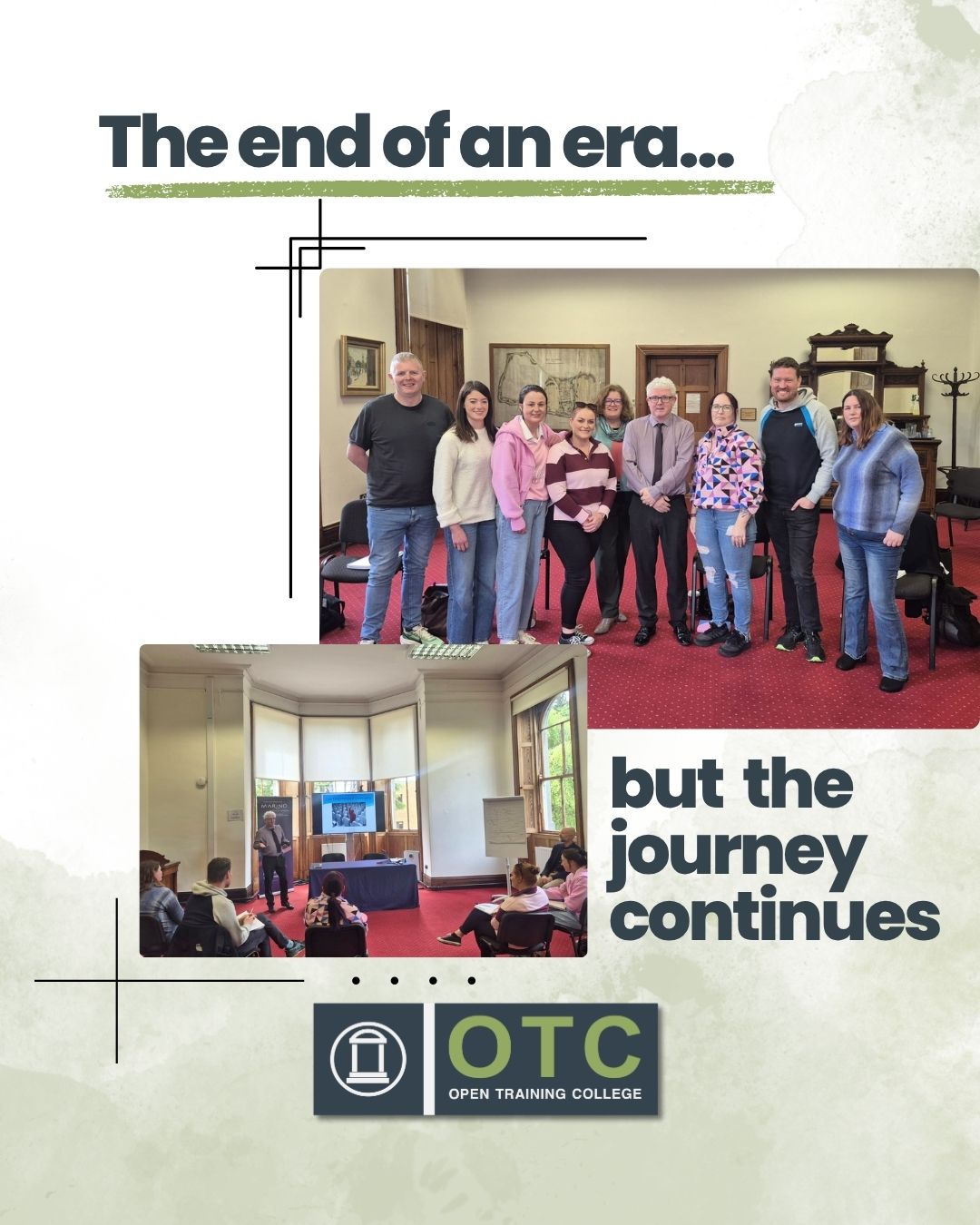
The impact of this programme is impossible to measure fully. More than a thousand practitioners achieved Level 7 qualifications through its innovative work-based learning model. Many graduates went on to become leaders in disability and social care services, founding organisations, leading national and international bodies, advocating for vulnerable people, and influencing how services are delivered throughout Ireland.
At the heart of the programme was a philosophy rooted in dignity, rights, inclusion, and community. The ideas of thinkers such as John O’Brien, Judith Snow, Dave Hingsburger, David Pityonak, and Jack Pearpoint were not passing trends but enduring principles. Their belief that people deserve choice, relationships, respect, meaningful participation, and ordinary lives within their communities was embedded in the programme’s teaching and practice.
Students were encouraged not simply to learn these ideas, but to carry them back into the agencies and communities where they worked. That commitment to values-based practice is one of the reasons the programme resonated so strongly with practitioners over the years.
Today, the landscape has broadened. The BA Social Care programme now prepares graduates to work across many areas of social care, from disability services and special residential care to migrant support services and work with mothers in prison. Yet the values that informed the BA Contemporary Disability Studies continue to live on within this new generation of social care education.
While we say goodbye to one important chapter, we also look forward. Many of the programme’s most influential modules, ideas, and approaches will continue through Continuing Professional Development opportunities and new micro-credential programmes, ensuring these important conversations remain part of the sector’s future.
Finally, sincere thanks must go to every student, service user, agency, presenter, writer, tutor, programme director and staff member of the OTC who contributed to this remarkable journey. Together, they helped shape services, challenge assumptions, and improve the lives of countless people across Ireland. That legacy will endure long after the final graduation ceremony.